Featured


Everything to Understand Before Filing for Bankruptcy
Table of Contents
There is no government debt relief program for credit cards. Debt relief companies provide services to assist you handle and pay off credit card financial obligation for less than you owe. When you settle credit card debt, you and the credit card company concur on a quantity you'll pay, which is less than the total balance you owe.
If you don't have a lump sum to provide your lenders (the majority of people don't), you might select to stop making credit card payments and rather reserved cash in a dedicated account. If you stop paying your financial institutions for any reason, anticipate credit score damage and collection efforts. When you have enough conserved to use your lenders, negotiations can start.
Insolvency filings are public records and can make it tough to get jobs in particular fields. You also give up control when you submit bankruptcythe court tells you how much you will pay (Chapter 13) or what properties you need to quit (Chapter 7) to satisfy your financial institutions. Personal bankruptcy has a significant unfavorable effect on your credit report.
On the pro side, debt settlement could help you leave financial obligation faster than making minimum payments, given that you're paying less than the total balance. A disadvantage of choosing financial obligation settlement for debt relief is that it's likely to damage your credit standing. Keep in mind, however, that if you're currently falling behind on your payments, the odds are great you've currently seen an unfavorable effect on your credit rating.
If you're considering credit card financial obligation relief programs, research your alternatives carefully. Inspect the services provided, the costs, and online reviews to see what other individuals are stating. No matter which financial obligation relief program you pick, the most important thing is taking action to get your finances and credit back on track.
Steps to Prevent Aggressive Calls From Credit Collectors
There might also be some drawbacks. It is very important to comprehend both the benefits and drawbacks. Borrowers with government trainee loans might qualify for income-driven repayment plans. These strategies can make a big difference. They base your regular monthly payments on a percentage of your income. This helps ensure you can manage those payments.
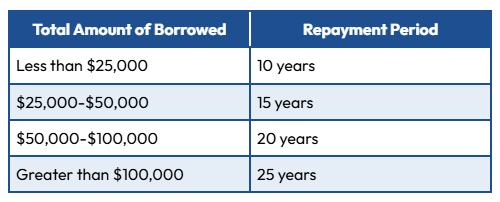
Working long enough in certain public service occupations might qualify you to have the remainder of your debt forgiven. Might paying into an income-driven repayment program for 20 or 25 years.
Trainee loan disability discharge requires evidence of your condition. These programs are for individuals in genuine need, so not everybody will certify. Sometimes, forgiven financial obligation is taxable earnings. Debt forgiven under federal trainee loan programs is generally an exception. There are a couple of states where forgiven federal student loan financial obligation may be dealt with as taxable earnings.
Qualifying for Government Debt Assistance in 2026
Let's address some common myths about government debt relief programs to clear up any confusion. Reality: Oftentimes, IRS and student loan financial obligation forgiveness programs are based on your capability to pay. So, while they reduce the quantity you owe, they may not totally remove your financial obligation. Reality: Various programs have various eligibility criteria.
People from a range of monetary backgrounds could benefit. It's just a matter of meeting specific requirements. Truth: The application procedure might spend some time. But there are many resources and support systems available to help you. With the best guidance, you can resolve the application process. Now that we've unmasked these myths, you can much better comprehend what federal government debt relief programs can use.
These programs are designed to assist, not to add more tension. It deserves exploring your options. Government debt relief programs don't cover all kinds of financial obligation, but there are other choices that can assist. Personal professionals and difficulty programs can provide support and services. Here's what you can do if you have financial obligation issues the federal government can't resolve.
These companies consist of private financial obligation relief companies and nonprofit credit counselors. Here are a few of the services they might use: Challenge programs: Numerous creditors offer hardship programs to help you make it through hard times. These programs might lower or stop briefly payments, lower rate of interest, or waive costs for individuals experiencing monetary trouble.
Steps to Stop Unwanted Harassment From Debt Collectors
This might result in significant financial obligation reduction. Credit counseling: A qualified credit counselor can help you develop a budget and learn cash management skills if you enroll in their financial obligation management program.
Household debt in America is over 18 trillion dollars, according to the Federal Reserve Bank of St Louis. With so much financial obligation, it's not surprising that many Americans want to be debt-free.
Debt is constantly a financial problem. It has actually become more difficult for many people to handle in recent years, thanks to increasing interest rates. Rates have actually risen in the post-COVID era in reaction to troubling financial conditions, including a surge in inflation triggered by supply chain disruptions and COVID-19 stimulus spending.
While that benchmark rate does not straight control interest rates on financial obligation, it impacts them by raising or lowering the expense at which banks obtain from each other. Included expenses are normally passed on to consumers in the type of higher interest rates on debt. According to the Federal Reserve Board, for example, the average interest rate on charge card is 21.16% as of May 2025.
Deciding Between Bankruptcy and Debt Settlement Options
Card rates of interest might also increase or remain high into 2026 even if the Federal Reserve alters the benchmark rate, because of growing financial institution issues about rising defaults. When financial institutions hesitate clients won't pay, they often raise rates. Experian also reports average rate of interest on car loans hit 11.7% for used lorries and 6.73% for brand-new cars in March 2025.
Individual loan rates are also greater. With lots of type of debt becoming more expensive, lots of people wish to deal with their debt for goodespecially given the continuous economic uncertainty around tariffs, and with an economic crisis risk looming that might affect work prospects. If you hesitate of rates rising or the economy faltering, placing yourself to become debt-free ASAP is among the smartest things you can do.

Latest Posts
Comparing Bankruptcy and Credit Counseling for 2026

Finding Nonprofit Insolvency Support for 2026
:max_bytes(150000):strip_icc()/DebtRelief-BestDebtReliefCompaniesImage-65c32a5716014aeca3a4e55477cb8130.png)
Official Government Programs for Debt Relief